Capsicum Patch: Types, Ingredients, Applications and Buying Guide
Release time: 2026-10-19
Capsicum Patch: Types, Ingredients, Applications and Buying Guide
Quick Answer:
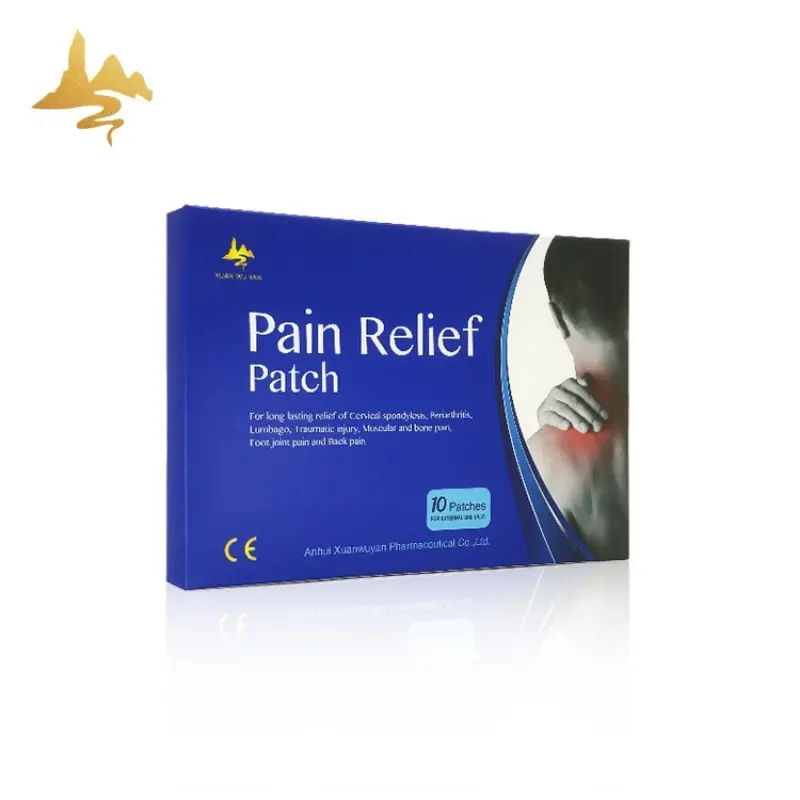
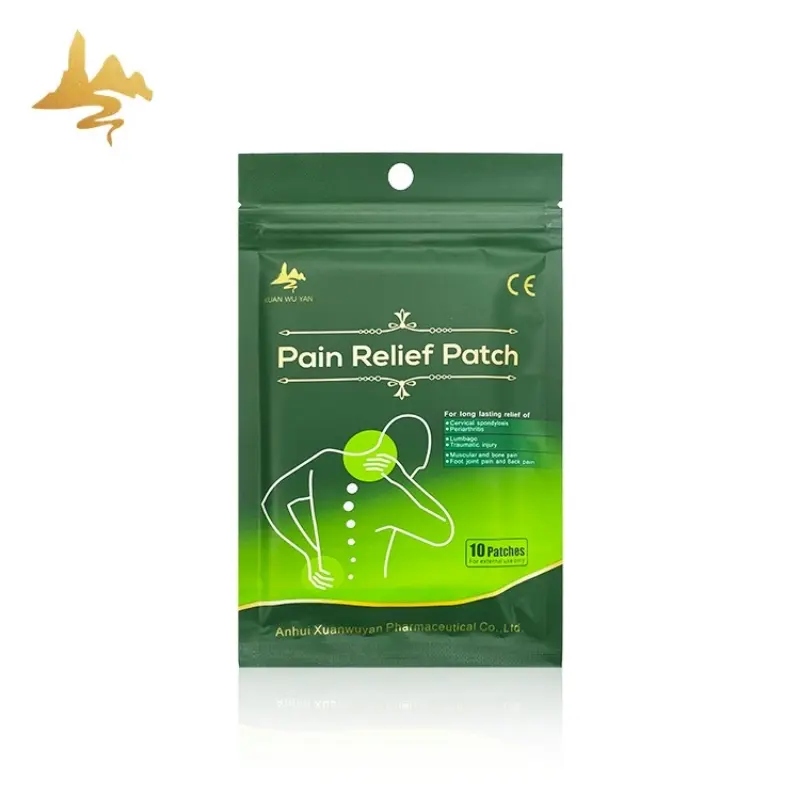
Capsicum patches are topical products formulated with capsaicin or capsicum-derived ingredients, with formulations, patch materials, and intended uses varying by product. For overseas buyers, key purchasing considerations include ingredient specifications, adhesion performance, product consistency, quality documentation, regulatory compliance, and OEM/private-label capabilities. Anhui Xuanwuyan Pharmaceutical can be introduced as a potential sourcing partner, with its specific manufacturing capabilities, product specifications, and certifications verified before purchase. Buyers should evaluate samples and confirm that product labeling and claims meet the requirements of their target markets.、
This guide explains the main types of capsicum patches, their ingredients, potential applications, and the key factors buyers should evaluate when sourcing from a manufacturer.
Table of Contents
1. What Types of Capsicum Patches Are Available?
Capsicum patches can differ in formulation, construction, size, and intended use. Buyers should confirm the actual product specifications rather than relying on product names alone.
- Capsaicin-based patches: These contain capsaicin or a capsicum-derived ingredient. The concentration and permitted claims depend on the product formulation and applicable regulations.
- Traditional capsicum plasters: These may use capsicum extract alongside other ingredients in an adhesive or plaster matrix. Their composition and usage instructions vary by product.
- Different patch formats: Manufacturers may offer different sizes, shapes, backing materials, and packaging formats to meet specific market or customer requirements.
- OEM and private-label patches: These are developed or packaged according to a buyer's brand requirements, subject to manufacturing capabilities and applicable regulatory requirements.
When comparing products, buyers should request the ingredient list, active ingredient concentration where applicable, intended use, recommended application duration, and product classification.
2. What Ingredients Are Used in Capsicum Patches?
The formulation directly affects product performance, skin compatibility, stability, and regulatory status. Common formulation components may include:
| Ingredient or component | Function |
|---|---|
| Capsaicin or capsicum extract | Active ingredient in formulations designed around capsicum-derived compounds |
| Adhesive matrix | Helps the patch adhere to the skin and retain its formulation |
| Backing material | Supports the patch and provides a physical barrier |
| Release liner | Protects the adhesive surface before use |
| Supporting formulation ingredients | May help control consistency, processing, stability, or other product characteristics |
Not every capsicum patch contains the same ingredients, and botanical extracts should not automatically be treated as equivalent to purified capsaicin. Buyers should review the manufacturer's full ingredient documentation and confirm whether the formulation meets their target market's requirements.
For product development, important specifications include active ingredient content, ingredient uniformity, adhesive properties, patch flexibility, skin compatibility, and stability throughout the proposed shelf life.
3. What Are the Main Applications of Capsicum Patches?
Depending on the formulation, product authorization, and market-specific labeling, capsicum patches may be marketed for the temporary relief of certain minor muscle or joint aches. Potential target categories can include products intended for back, shoulder, neck, or other localized discomfort.
However, the approved indications are not universal. Buyers should distinguish between a manufacturer's proposed use, the claims permitted by local regulations, and the claims supported by the final product's evidence and labeling.
Before importing a product, confirm its intended user group, application instructions, warnings, contraindications, and permitted marketing claims. Claims should not extend beyond the evidence or authorization applicable to the product.
4. How Should Buyers Evaluate a Capsicum Patch Manufacturer?
Choosing a reliable supplier requires a structured assessment of product quality, manufacturing capability, documentation, and commercial terms.
Formulation and product specifications: Request the ingredient list, active ingredient specifications where applicable, patch dimensions, backing material, adhesive characteristics, packaging options, and product samples. Confirm that the proposed specifications match your market positioning.
Quality management and testing: Ask about the manufacturer's quality management system, incoming-material inspection, in-process controls, finished-product testing, batch traceability, and complaint-handling procedures. Relevant evidence may include stability data, adhesive performance testing, skin compatibility assessments, and other tests appropriate to the product.
Regulatory documentation: Requirements vary by country and product classification. Ask what documents the manufacturer can provide, such as ingredient specifications, certificates of analysis, safety documentation, manufacturing records, and applicable quality-system or regulatory certificates. Verify the validity and scope of any certificate rather than assuming that one certification guarantees approval in every market.
Production capacity and consistency: Evaluate minimum order quantity (MOQ), production lead time, monthly capacity, quality consistency between batches, and the supplier's ability to support repeat orders.
OEM and private-label services: If you plan to launch your own brand, confirm whether the supplier can support custom formulations, patch sizes, packaging artwork, labeling, and export documentation. Clarify ownership of artwork and formulation, development costs, sample approval, and change-control procedures before signing an agreement.
5. What Should You Confirm Before Placing an Order?
Before selecting a supplier, prepare a clear purchasing specification covering:
- Target country or region and product classification
- Intended use and permitted product claims
- Active ingredients and formulation requirements
- Patch size, material, adhesion, and packaging
- Required testing and regulatory documentation
- MOQ, sample policy, pricing, and lead time
- OEM/private-label requirements and quality agreements
A detailed specification makes quotations easier to compare and reduces the risk of delays caused by unclear requirements or missing documentation.
Find the Right Capsicum Patch Supplier
Sourcing a suitable capsicum patch requires a balance of formulation quality, product consistency, regulatory readiness, and commercial flexibility. For importers, distributors, and private-label brands, the most suitable capsicum patch supplier is one that can provide transparent specifications, appropriate quality documentation, reliable production, and clear communication throughout the procurement process.
Before committing to a bulk order, review samples, verify supporting documents, and confirm that the product and its labeling meet the requirements of your intended market. A structured supplier evaluation helps buyers make better-informed sourcing decisions and build a more dependable long-term supply relationship.