Pain Relief Patches: Types, Ingredients, Applications, and Manufacturing Solutions
Release time: 2026-10-16
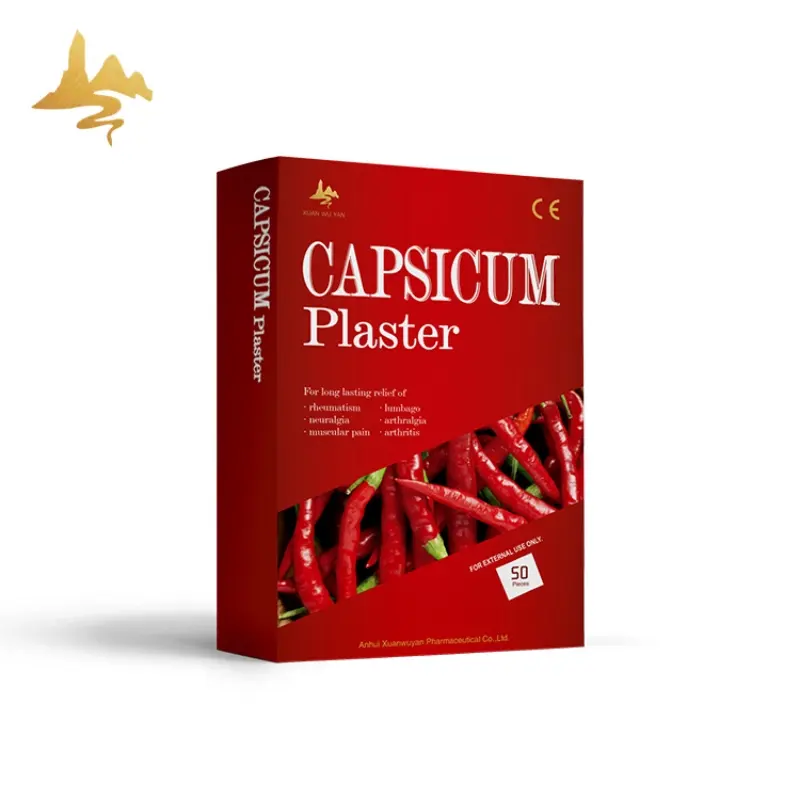
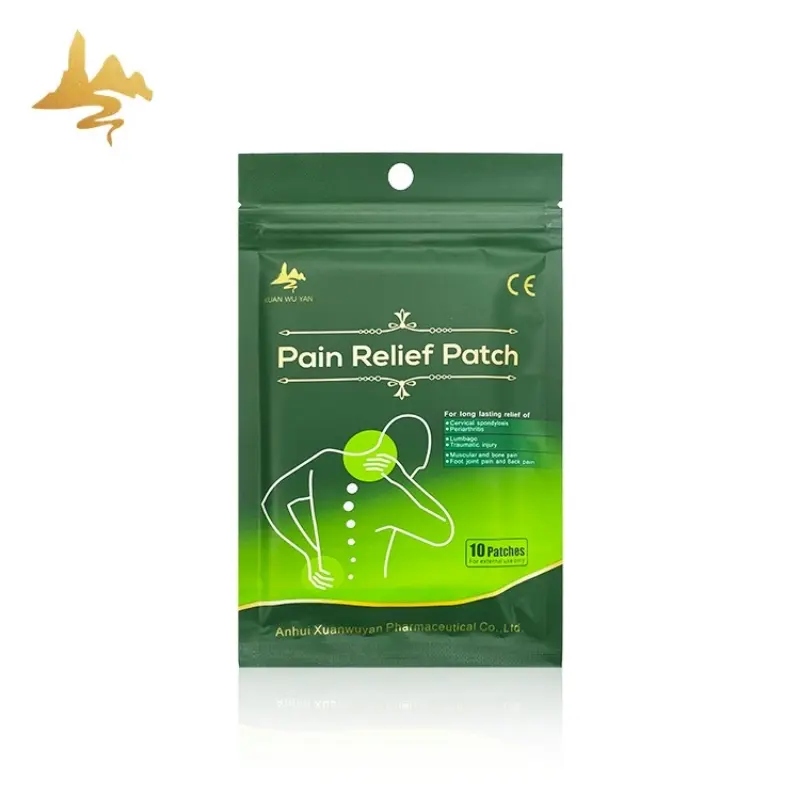
Pain relief patches are widely used in the topical pain management market, offering a convenient format for delivering selected active ingredients through the skin or providing localized physical relief, depending on the product design. For brands, distributors, wholesalers, and healthcare product buyers, selecting the right patch requires careful consideration of its ingredients, intended applications, product specifications, and manufacturing quality. Anhui Xuanwuyan Pharmaceutical provides a starting point for exploring pain relief patch products and manufacturing solutions, helping B2B buyers evaluate options for their target markets and product requirements.
Table of Contents
1. What Are Pain Relief Patches?
Pain relief patches are adhesive products designed to be applied to the skin over a specific area. Depending on their formulation and regulatory classification, they may contain active pharmaceutical ingredients, topical ingredients such as menthol or camphor, or materials designed to provide physical support or other non-drug effects.
Unlike oral products, patches are applied externally and are designed for localized use. However, their mechanisms, duration of use, and suitable applications vary by formulation. Buyers should therefore assess each product based on its intended use, approved labeling, and target market requirements.
2. What Are the Different Types of Pain Relief Patches?
Pain relief patches can be categorized according to their ingredients, formulation, and intended function.
| Pain Relief Patch Type | Key Features | Common Product Positioning / Applications | Key B2B Purchasing Considerations |
| Medicated Pain Relief Patches | Contain specific pharmaceutical active ingredients designed for topical application. | Pain management for specific indications, depending on the active ingredients and approved product labeling. | Active ingredients, ingredient concentration, regulatory approvals, quality standards, and product stability. |
| Menthol Pain Relief Patches | Use menthol to create a cooling sensation; some formulations are intended for temporary relief of minor muscle or joint aches. | Minor muscle aches, joint discomfort, and other applications specified on the product label. | Menthol concentration, odor, cooling sensation, skin compatibility, and user comfort. |
| Camphor Pain Relief Patches | Contain camphor as an ingredient and may provide a cooling or warming sensation, depending on the formulation. | Topical products intended for specific localized pain-relief applications, subject to product labeling. | Camphor concentration, formulation stability, labeling requirements, and target-market regulations. |
| Herbal Pain Relief Patches | Contain one or more plant-derived ingredients, with formulations varying by product. | Traditional herbal topical products or products positioned for specific markets, depending on their formulation and permitted claims. | Botanical ingredient sourcing, ingredient standardization, quality consistency, and regulatory compliance. |
| Warming Pain Relief Patches | Produce a warming sensation through specific ingredients or heat-generating materials. | Products intended for localized comfort, such as applications involving muscle tension, depending on product design and labeling. | Temperature range, duration of warmth, burn-risk controls, and usage instructions. |
| Cooling Pain Relief Patches | Provide a cooling sensation through ingredients such as menthol or through cooling materials. | Post-exercise comfort or other localized applications consistent with the product's intended use. | Duration of the cooling sensation, adhesion, skin compatibility, and material performance. |
| Non-Medicated Comfort Patches | Do not rely primarily on pharmaceutical active ingredients and may focus on physical comfort or other non-drug functions. | Localized comfort or supportive applications, depending on the product design. | Product mechanism, material safety, performance validation, and permitted marketing claims. |
For B2B buyers, classification is important because it affects product positioning, labeling, testing, and market access requirements.
3. What Ingredients and Materials Are Used in Pain Relief Patches?
The ingredients in a pain relief patch depend on its formulation and intended use. Some products contain active ingredients such as menthol, camphor, or other substances permitted for the relevant product category. Medicated formulations may use different active pharmaceutical ingredients subject to local regulations.
A typical patch may also include an adhesive layer, backing material, release liner, and a matrix or carrier that holds the formulation. These components influence adhesion, flexibility, comfort, ingredient stability, and ease of removal.
When comparing products, buyers should review the ingredient list, concentration where applicable, material specifications, skin-contact suitability, storage conditions, and shelf-life data. Ingredient selection should be based on the intended product claims and the regulatory requirements of each destination market.
4. What Are Pain Relief Patches Used For?
Pain relief patches may be developed for specific product indications or intended uses, such as certain muscle aches, joint discomfort, back discomfort, or minor strains. The appropriate application depends on the active ingredients, product design, labeling, and relevant authorization.
Not every patch is suitable for every type of pain. Buyers should avoid assuming that products with similar names have the same formulation or effects. For manufacturers and distributors, clear product positioning and accurate labeling are essential for matching products to customer needs while avoiding unsupported medical claims.
5. Which Specifications Matter When Choosing a Pain Relief Patch?
When sourcing pain relief patches, B2B buyers should evaluate more than the product's size or price. Important specifications include:
Patch dimensions and shape: Whether the format fits the intended application.
Formulation and ingredient profile: Whether the ingredients align with the product's intended use and market requirements.
Adhesion and wear characteristics: Whether the patch remains in place as intended and can be removed appropriately.
Material and skin-contact properties: Whether the materials meet applicable safety and quality requirements.
Packaging and shelf life: Whether packaging protects product quality and supports the required storage conditions.
Documentation and compliance: Whether the supplier can provide relevant specifications, test reports, labeling information, and quality documentation.
A clear specification sheet helps buyers compare suppliers consistently and reduces the risk of mismatched expectations during product development and procurement.
6. How Are Pain Relief Patches Manufactured and Quality-Controlled?
Manufacturing processes vary by product type and formulation, but may include raw material inspection, formulation preparation, coating or filling, lamination, cutting, packaging, and finished-product inspection.
Quality control should be tailored to the product's regulatory category and risk profile. Relevant checks may include ingredient identity and content, uniformity, adhesion, physical integrity, packaging integrity, stability, and microbiological testing where applicable. Medicated products may require additional controls and testing under the relevant pharmaceutical quality system.
B2B buyers should ask manufacturers about their quality management system, production capabilities, batch traceability, change control, complaint handling, and the documentation available for the target market. Certifications and regulatory claims should always be verified against valid documentation and the actual manufacturing site.
7. Can Pain Relief Patches Be Customized Through OEM/ODM Services?
OEM and ODM services can help brands and distributors develop products that meet specific market and channel requirements. Depending on the manufacturer's capabilities and the product's regulatory classification, customization may cover patch dimensions, packaging format, branding, product presentation, and selected formulation or material options.
Before starting a customization project, buyers should clarify the target country, intended use, product classification, ingredient requirements, expected order volume, packaging language, and required regulatory documentation. Formulation changes may trigger additional testing, review, or approval, so they should be evaluated before finalizing development timelines and costs.
8. How to Choose a Reliable Pain Relief Patch Manufacturer?
Choosing a reliable pain relief patch manufacturer involves more than comparing prices. For importers, distributors, pharmaceutical brands, and private-label buyers, the right manufacturing partner should offer consistent product quality, transparent technical information, dependable delivery, and support throughout the procurement process.
Product Quality and Manufacturing Standards
Before placing an order, buyers should evaluate the manufacturer's production experience, quality control procedures, raw material management, and batch traceability. Request relevant product specifications, test reports, stability data, and quality certifications where applicable. These documents help buyers assess whether a product meets their technical requirements and the regulatory expectations of the destination market.
Product Customization and OEM/ODM Capabilities
For businesses developing their own pain relief patch brands, customization can be an important purchasing consideration. Buyers should confirm whether a manufacturer can support their required patch dimensions, packaging formats, branding, and formulation options. Any formulation changes should be evaluated against product safety, performance, and applicable regulatory requirements.
Minimum Order Quantity, Lead Time, and Supply Reliability
Commercial terms directly affect purchasing costs and inventory planning. Buyers should clarify minimum order quantities (MOQs), sample availability, production lead times, packaging requirements, and shipping arrangements before confirming an order. It is also worth discussing how the supplier manages production schedules, product changes, and potential supply disruptions.
Communication and Long-Term Cooperation
A dependable supplier should respond clearly to technical questions, provide accurate quotations, and explain the documentation required for export and product registration where applicable. After-sales support, complaint handling, and a defined process for addressing quality issues are also important indicators of a sustainable business relationship.
For buyers evaluating potential suppliers, Anhui Xuanwuyan Pharmaceutical can be included in the sourcing assessment for pain relief patches and related manufacturing solutions. Before entering into a partnership, buyers should confirm the company's available product range, manufacturing capabilities, quality documentation, customization options, and delivery terms against their specific purchasing requirements.
Ultimately, the best pain relief patch manufacturer is one that matches your product specifications, target-market requirements, budget, and long-term supply needs—not simply the supplier offering the lowest initial price. A structured supplier evaluation helps reduce procurement risks and supports a more reliable, long-term business partnership.documentation quality, and dependable delivery all contribute to a sustainable supply relationship.
Pain Relief Patch Solutions from Anhui Xuanwuyan Pharmaceutical:
Choosing the right pain relief patch requires a balanced assessment of product type, ingredients, intended application, material performance, manufacturing quality, and destination-market requirements. For brands, wholesalers, and distributors, working with a capable supplier can support more consistent product development and a smoother procurement process.
Anhui Xuanwuyan Pharmaceutical can be introduced as a potential manufacturing partner for buyers evaluating pain relief patch products and related sourcing solutions. Before moving forward, buyers should confirm the company's specific product portfolio, manufacturing capabilities, applicable certifications, and OEM/ODM services to ensure they match project requirements. Contact the company to discuss product specifications, customization needs, and documentation for your target market.