What Are the Common Ingredients in Pain Relief Patches?
Release time: 2026-10-16
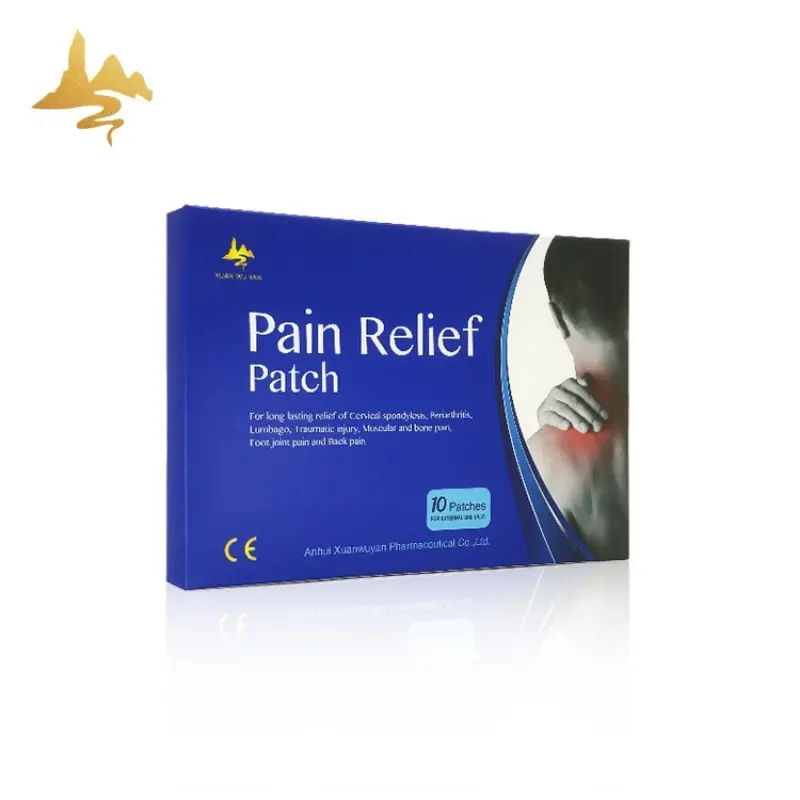
Pain relief patches are available in different formulations designed for specific applications and user needs. Their ingredients influence product function, skin contact, adhesion, and overall performance. For importers, distributors, pharmaceutical brands, and private-label buyers, understanding these ingredients is essential when comparing products and evaluating suppliers. Anhui Xuanwuyan Pharmaceutical is a company buyers can explore when researching pain relief patch products and potential manufacturing solutions. This guide explains common active ingredients, supporting materials, and key considerations for product sourcing.
1. What Are the Main Active Ingredients in Pain Relief Patches?
The active ingredients in pain relief patches vary according to the product's formulation, intended use, and regulatory classification. Common examples include menthol, camphor, methyl salicylate, capsaicin, and certain nonsteroidal anti-inflammatory drugs (NSAIDs).
| Herbal Ingredient | Source | Potential Role in Formulation |
| Ginger Extract | Ginger rhizome (Zingiber officinale) | Used in some botanical topical formulations. |
| Mugwort Extract | Mugwort plant (Artemisia species) | Used in certain traditional herbal formulations. |
| Turmeric Extract | Turmeric rhizome (Curcuma longa) | Used in some botanical product formulations. |
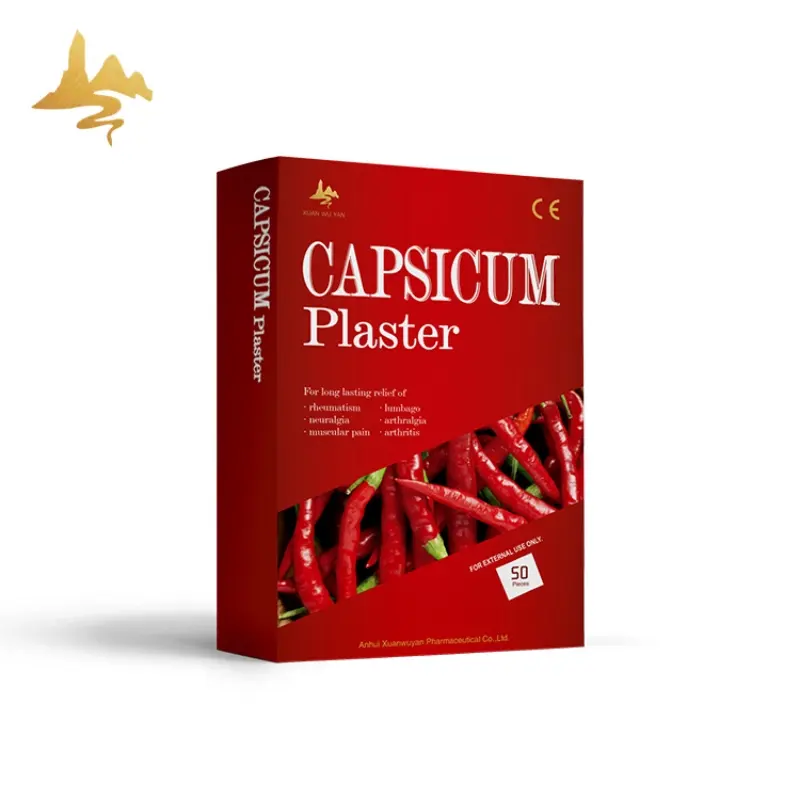
| Capsicum Extract | Chili peppers (Capsicum species) | May provide a warming sensation in certain topical formulations, depending on its composition. |
| Menthol | Naturally sourced or synthetically produced | Commonly used to provide a cooling sensation in topical products. |
| Camphor | Naturally sourced or synthetically produced | Used in some topical formulations to produce a cooling or warming sensation. |
These ingredients do not all work in the same way. Buyers should review the actual formulation, ingredient concentration, approved indications, and product labeling rather than assuming that products with similar names offer identical benefits.
2. Are Herbal Ingredients Used in Pain Relief Patches?
Some pain relief patches incorporate botanical ingredients such as ginger, mugwort, or other plant extracts. These ingredients may be used in traditional herbal formulations or products developed for particular market preferences.
For manufacturers and distributors, botanical sourcing and ingredient consistency are important considerations. Buyers should ask whether raw materials are appropriately identified, whether relevant quality specifications are available, and how batch-to-batch consistency is controlled.
It is also important to distinguish traditional use from scientifically established product performance. A plant-derived ingredient does not automatically mean that a product is safer or more effective. Any health-related claims should be supported by suitable evidence and comply with the regulations applicable to the product category and destination market.
3. What Other Materials Are Used in Pain Relief Patches?
In addition to active ingredients, a pain relief patch may contain several materials that contribute to its structure and usability.
- Adhesives: Help the patch adhere to the skin during the intended period of use.
- Backing materials: Provide structural support and help protect the formulation.
- Release liners: Cover the adhesive surface before application and are removed before use.
- Carriers and matrix materials: Hold or distribute ingredients according to the patch's design.
The selection of these materials can influence flexibility, adhesion, comfort, removal, and formulation stability. Buyers should evaluate the complete product rather than focusing only on its active ingredients. Material compatibility and appropriate skin-contact safety assessments are particularly important when developing a product for a specific market.
4. How Should Buyers Evaluate Pain Relief Patch Ingredients?
When sourcing pain relief patches, B2B buyers should assess both the formulation and the documentation supporting product quality.
First, confirm the ingredient names, concentrations where applicable, and intended product use. Next, review relevant specifications, test reports, stability information, and safety documentation. Depending on the product classification, additional evidence or regulatory authorization may be required before the product can be marketed in the destination country.
Buyers should also consider adhesion performance, packaging compatibility, storage conditions, shelf life, and consistency between production batches. For private-label projects, it is important to clarify whether the supplier can support the required packaging, labeling, and customization options.
A transparent supplier should explain which documents are available, which requirements remain the buyer's responsibility, and whether formulation changes could affect testing or regulatory status.
5. How Can the Right Manufacturing Partner Support Your Product Needs?
Selecting the right manufacturing partner helps buyers align product specifications with market expectations, quality requirements, and commercial goals. Before placing an order, importers and distributors should confirm the manufacturer's actual product range, production capabilities, quality management procedures, minimum order quantities, and delivery terms.
For businesses evaluating pain relief patch sourcing options, Anhui Xuanwuyan Pharmaceutical can be considered as a potential company to contact for information about its available products and manufacturing services. Buyers should verify the company's specific ingredient options, technical documentation, quality certifications, and OEM/ODM capabilities directly before making purchasing decisions.
Ultimately, choosing a pain relief patch involves more than selecting an individual ingredient. A suitable product should combine an appropriate formulation, reliable materials, consistent quality, and compliance with the requirements of its intended market. Careful supplier evaluation can help businesses build a more dependable and sustainable sourcing relationship.